
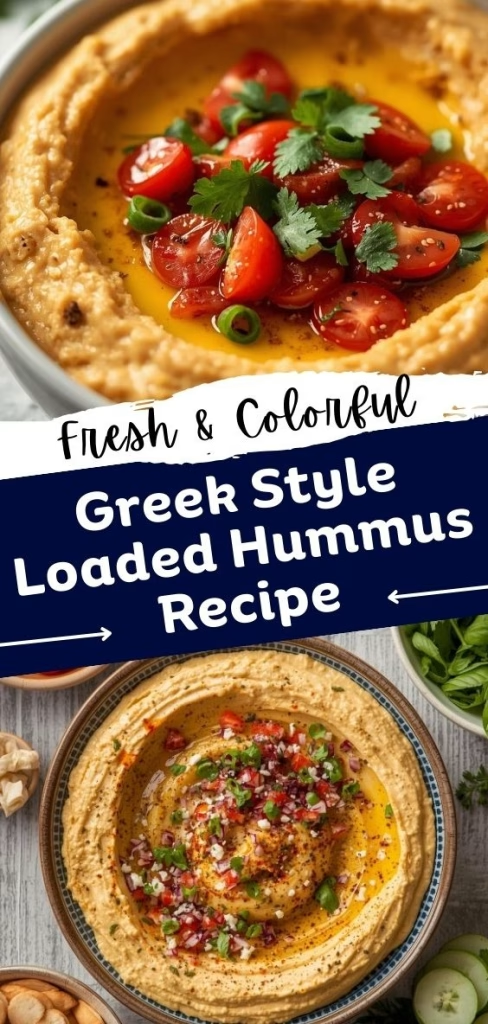
I still remember the first time I made this Greek Style Loaded Hummus Recipe at home—it felt like I had turned a simple dip into a full Mediterranean platter. I wanted something fresh, filling, and colorful, but without cooking for hours. This recipe came together so easily that I knew I had to make it again for guests. The creamy hummus paired with crisp vegetables and salty toppings felt restaurant-worthy.
Now, it’s one of those recipes I make when I want maximum flavor with minimum effort. You can also enjoy similar dishes like Chicken Piccata with Lemon Sauce Recipe for a light protein addition or try Chicken Parmesan Sliders Recipe for a fun finger-food option alongside it.
Ingredients
Here’s everything you’ll need to make this Greek style loaded hummus, with tips included next to each ingredient:
- Cooked chickpeas – 1½ cups (Use canned chickpeas for convenience, but rinse them well to remove excess sodium)
- Tahini – ¼ cup (A good-quality tahini makes the hummus smoother and richer; avoid bitter ones)
- Fresh lemon juice – 3 tablespoons (Freshly squeezed lemon gives brightness that bottled juice just can’t match)
- Garlic – 1 small clove (One clove is enough; too much garlic can overpower the hummus)
- Extra virgin olive oil – 3 tablespoons (Greek olive oil works best for authenticity and a fruity finish)
- Ground cumin – ½ teaspoon (Adds warmth and depth without making the hummus spicy)
- Salt – ½ teaspoon (or to taste) (Adjust after blending since toppings also add salt)
- Cold water – 2 to 4 tablespoons (Helps achieve a light, whipped texture when blending)
- English cucumber – ½ cup, finely chopped (Keeps the topping crisp and refreshing; avoid watery cucumbers)
- Cherry tomatoes – ½ cup, diced (Choose ripe tomatoes for sweetness and color)
- Red onion – 2 tablespoons, finely chopped (Adds a sharp contrast; soaking briefly in water can mellow the bite)
- Kalamata olives – ¼ cup, sliced (These bring classic Greek flavor and salty richness)
- Feta cheese – ⅓ cup, crumbled (Use block feta and crumble it yourself for better texture and taste)
- Dried oregano – ½ teaspoon (A must-have for authentic Greek aroma)
- Fresh parsley – 2 tablespoons, chopped (Adds freshness and a pop of green on top)
Note: This recipe serves 4 to 6 people as an appetizer or mezze-style dish.
Variations
This Greek style loaded hummus is easy to customize based on your taste or dietary needs.
For a dairy-free version, simply skip the feta or replace it with a plant-based feta alternative. If you want more protein, I sometimes add roasted chickpeas or grilled chicken on top. For extra flavor, roasted red peppers or sun-dried tomatoes work beautifully. You can also spice it up with chili flakes or drizzle it with chili oil for a bold twist.
Cooking Time
This recipe is quick and mostly no-cook, making it perfect for busy days.
- Prep Time: 15 minutes
- Cooking Time: 0 minutes
- Total Time: 15 minutes
Equipment You Need
Having the right tools makes the process smoother and faster:
- Food processor or high-speed blender – for blending the hummus until creamy
- Cutting board – for chopping vegetables and toppings
- Sharp knife – ensures clean cuts without bruising ingredients
- Measuring cups and spoons – to keep flavors balanced
- Serving bowl or platter – for assembling and presenting the hummus
How to Make Greek Style Loaded Hummus Recipe?
This recipe comes together in two main parts: making the hummus base and loading it with fresh Greek toppings.
Prepare the Hummus Base
Start by adding chickpeas, tahini, lemon juice, garlic, cumin, and salt to your food processor. I blend everything for about a minute to break down the chickpeas fully. Scrape the sides so nothing gets left behind.
Adjust the Texture
With the processor running, I slowly add cold water and olive oil. This step is key for that smooth, whipped hummus texture. Blend until the hummus looks light and creamy, not thick or grainy.
Taste and Balance
I always stop here to taste the hummus. Sometimes it needs a pinch more salt or an extra squeeze of lemon. Adjusting now ensures the base is flavorful before adding toppings.
Prepare the Greek Toppings
While the hummus rests, I chop the cucumber, tomatoes, red onion, and olives. Keeping everything finely chopped helps each bite taste balanced. I also crumble the feta fresh for better texture.
Assemble the Loaded Hummus
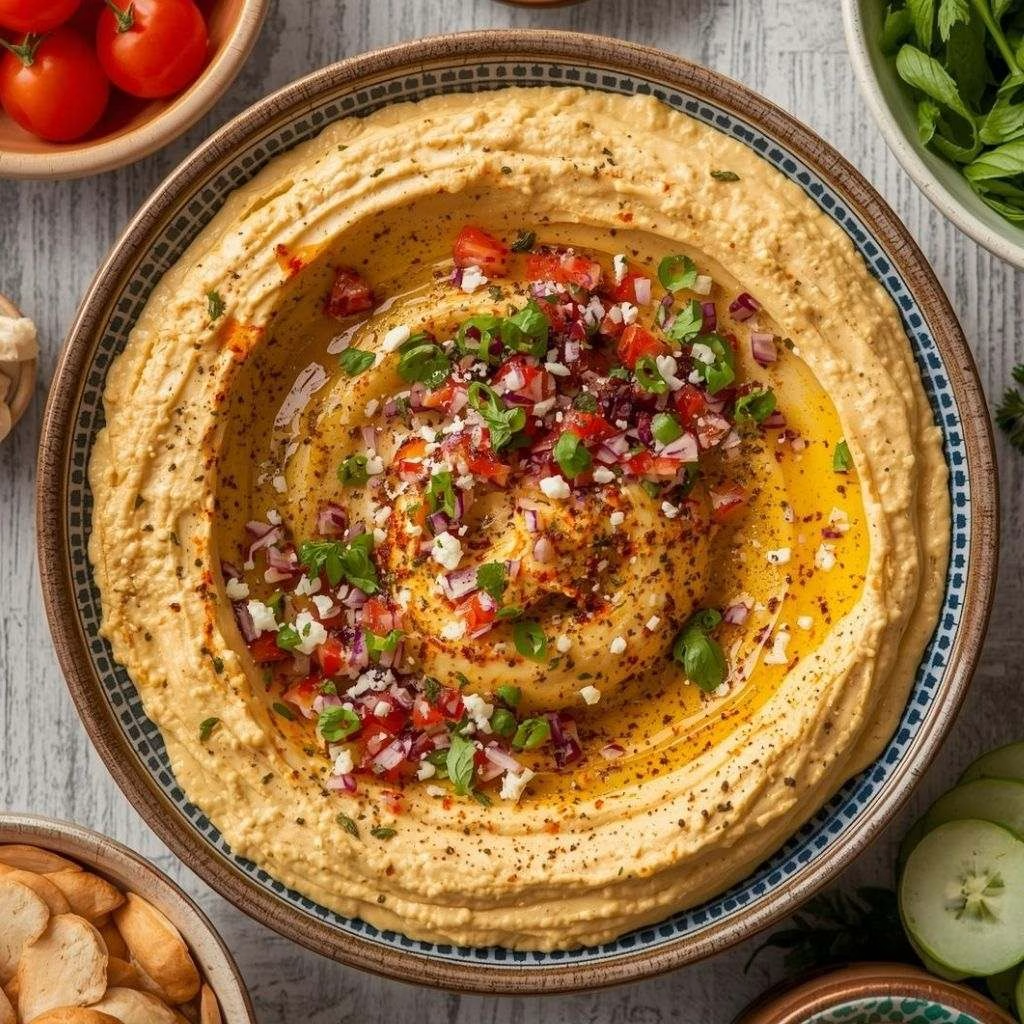
Spread the hummus onto a wide bowl or plate using the back of a spoon. I create small swirls to hold the toppings. Then I scatter the vegetables, olives, and feta evenly over the top.
Finish and Garnish
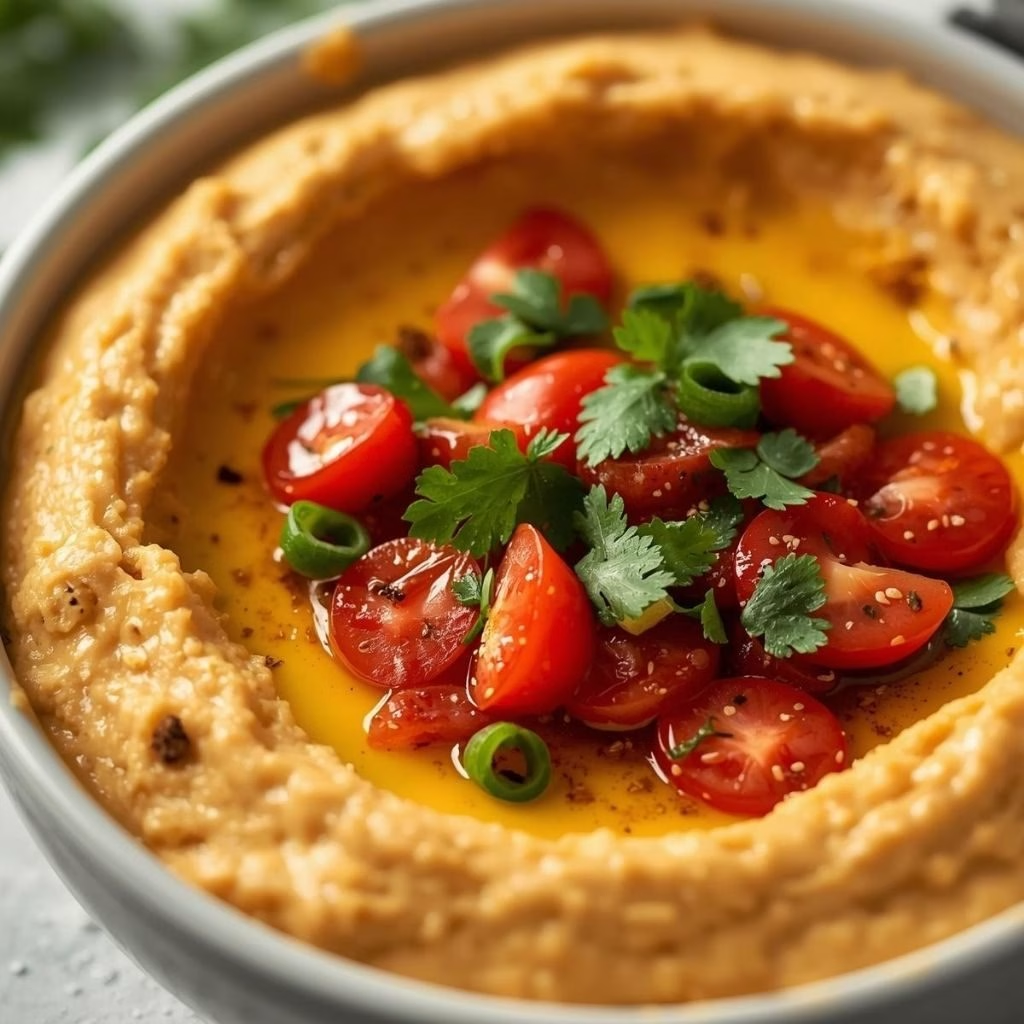
To finish, I drizzle olive oil, sprinkle dried oregano, and add fresh parsley. Sometimes I add a few extra olives for presentation. The hummus is ready to serve immediately.
Additional Tips for Making This Recipe Better
After making this recipe several times, here are a few things that really improved the final result for me:
- I always peel the chickpeas when I want ultra-smooth hummus—it takes extra time but feels worth it.
- Using ice-cold water while blending makes the hummus fluffier.
- I let the hummus rest for 10 minutes before topping so the flavors settle.
- I drizzle olive oil right before serving for a fresh, glossy finish.
- I keep toppings dry so the hummus doesn’t get watery.
How to Serve Greek Style Loaded Hummus Recipe?
This loaded hummus looks best served on a wide, shallow platter so all the toppings shine. I love pairing it with warm pita bread, pita chips, or sliced crusty bread. For a lighter option, serve it with cucumber sticks, bell peppers, or carrot sticks. You can also add it to a mezze board alongside falafel, dolmas, and tzatziki for a complete Greek-style spread.
Nutritional Information
This dish is wholesome, filling, and naturally nutritious. Approximate values per serving include:
- Calories: Around 280 kcal
- Protein: About 8 grams
- Carbohydrates: Roughly 22 grams
- Fat: Approximately 18 grams
Make Ahead and Storage
This recipe is great for planning ahead and storing properly.
Make Ahead
You can prepare the hummus base up to two days in advance and store it in the refrigerator. I recommend adding toppings only when you’re ready to serve to keep everything fresh and crisp.
Storage
Store leftover loaded hummus in an airtight container in the fridge. It stays fresh for up to 3 days, though the vegetables may soften slightly over time.
Freezing and Reheating
I freeze only the plain hummus base, not the toppings. It keeps well in the freezer for up to one month. Thaw overnight in the fridge and stir well before serving.
Why You’ll Love This Recipe?
This Greek style loaded hummus is one of those recipes that checks all the boxes.
- It’s quick and easy to make, even on busy days, without sacrificing flavor.
- The recipe is highly versatile, letting you adjust toppings and textures easily.
- It suits many diets, including vegetarian and easily adaptable dairy-free options.
- The combination of creamy hummus and fresh toppings makes every bite exciting.
- It looks beautiful on the table, making it perfect for guests or gatherings.

Greek Style Loaded Hummus Recipe
Ingredients
Method
- Start by adding chickpeas, tahini, lemon juice, garlic, cumin, and salt to your food processor. I blend everything for about a minute to break down the chickpeas fully. Scrape the sides so nothing gets left behind.
- With the processor running, I slowly add cold water and olive oil. This step is key for that smooth, whipped hummus texture. Blend until the hummus looks light and creamy, not thick or grainy.
- I always stop here to taste the hummus. Sometimes it needs a pinch more salt or an extra squeeze of lemon. Adjusting now ensures the base is flavorful before adding toppings.
- While the hummus rests, I chop the cucumber, tomatoes, red onion, and olives. Keeping everything finely chopped helps each bite taste balanced. I also crumble the feta fresh for better texture.
- Spread the hummus onto a wide bowl or plate using the back of a spoon. I create small swirls to hold the toppings. Then I scatter the vegetables, olives, and feta evenly over the top.
- To finish, I drizzle olive oil, sprinkle dried oregano, and add fresh parsley. Sometimes I add a few extra olives for presentation. The hummus is ready to serve immediately.
Notes
- I always peel the chickpeas when I want ultra-smooth hummus—it takes extra time but feels worth it.
- Using ice-cold water while blending makes the hummus fluffier.
- I let the hummus rest for 10 minutes before topping so the flavors settle.
- I drizzle olive oil right before serving for a fresh, glossy finish.
- I keep toppings dry so the hummus doesn’t get watery.