Go Back
Greek Style Loaded Hummus Recipe
Ben Carraoli

Greek Style Loaded Hummus Recipe

I still remember the first time I made this Greek style loaded hummus at home—it felt like I had turned a simple dip into a full Mediterranean platter. I wanted something fresh, filling, and colorful, but without cooking for hours. This recipe came together so easily that I knew I had to make it again for guests.
Total Time 15 minutes
Servings: 6

Ingredients
  

  • Cooked chickpeas – 1½ cups Use canned chickpeas for convenience, but rinse them well to remove excess sodium
  • Tahini – ¼ cup A good-quality tahini makes the hummus smoother and richer; avoid bitter ones
  • Fresh lemon juice – 3 tablespoons Freshly squeezed lemon gives brightness that bottled juice just can’t match
  • Garlic – 1 small clove One clove is enough; too much garlic can overpower the hummus
  • Extra virgin olive oil – 3 tablespoons Greek olive oil works best for authenticity and a fruity finish
  • Ground cumin – ½ teaspoon Adds warmth and depth without making the hummus spicy
  • Salt – ½ teaspoon or to taste (Adjust after blending since toppings also add salt)
  • Cold water – 2 to 4 tablespoons Helps achieve a light, whipped texture when blending
  • English cucumber – ½ cup finely chopped (Keeps the topping crisp and refreshing; avoid watery cucumbers)
  • Cherry tomatoes – ½ cup diced (Choose ripe tomatoes for sweetness and color)
  • Red onion – 2 tablespoons finely chopped (Adds a sharp contrast; soaking briefly in water can mellow the bite)
  • Kalamata olives – ¼ cup sliced (These bring classic Greek flavor and salty richness)
  • Feta cheese – ⅓ cup crumbled (Use block feta and crumble it yourself for better texture and taste)
  • Dried oregano – ½ teaspoon A must-have for authentic Greek aroma
  • Fresh parsley – 2 tablespoons chopped (Adds freshness and a pop of green on top)

Method
 

  1. Start by adding chickpeas, tahini, lemon juice, garlic, cumin, and salt to your food processor. I blend everything for about a minute to break down the chickpeas fully. Scrape the sides so nothing gets left behind.
  2. With the processor running, I slowly add cold water and olive oil. This step is key for that smooth, whipped hummus texture. Blend until the hummus looks light and creamy, not thick or grainy.
  3. I always stop here to taste the hummus. Sometimes it needs a pinch more salt or an extra squeeze of lemon. Adjusting now ensures the base is flavorful before adding toppings.
  4. While the hummus rests, I chop the cucumber, tomatoes, red onion, and olives. Keeping everything finely chopped helps each bite taste balanced. I also crumble the feta fresh for better texture.
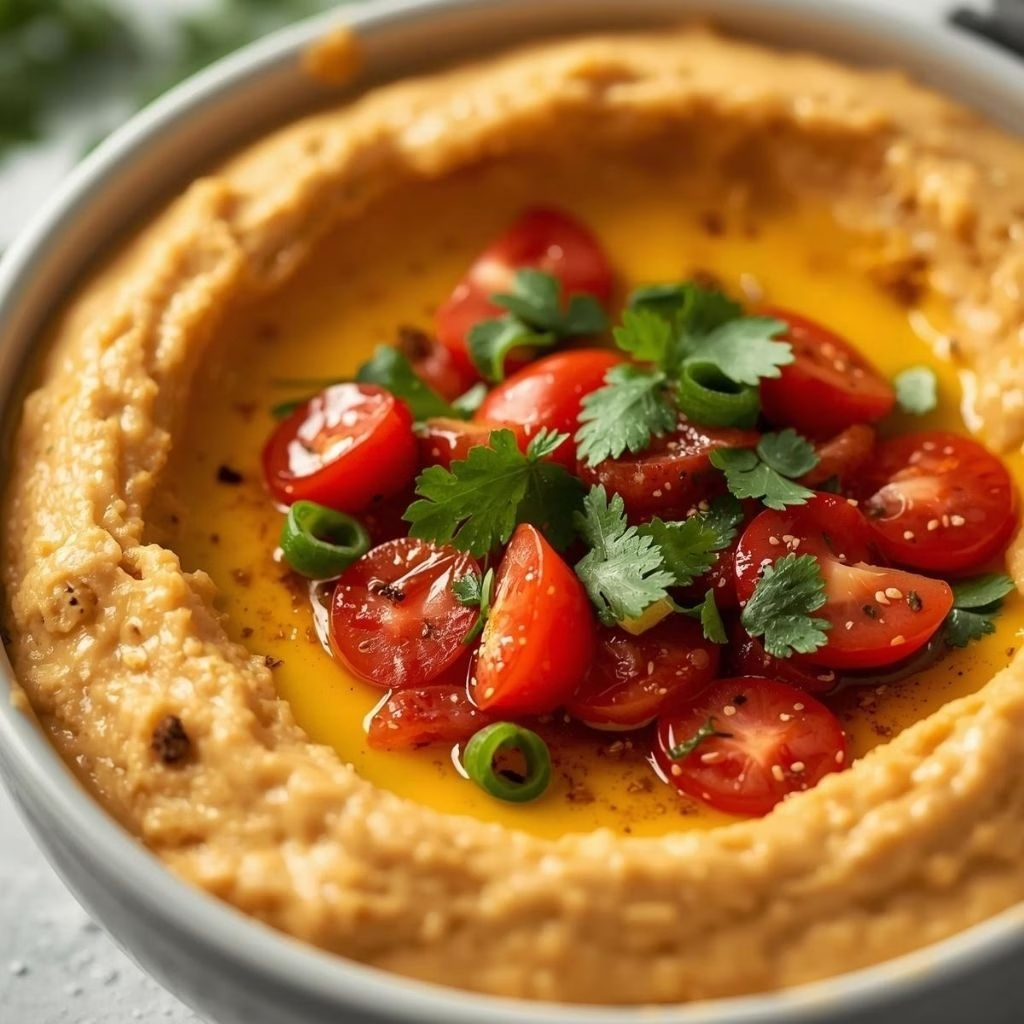
  5. Spread the hummus onto a wide bowl or plate using the back of a spoon. I create small swirls to hold the toppings. Then I scatter the vegetables, olives, and feta evenly over the top.
  6. To finish, I drizzle olive oil, sprinkle dried oregano, and add fresh parsley. Sometimes I add a few extra olives for presentation. The hummus is ready to serve immediately.
Notes

  • I always peel the chickpeas when I want ultra-smooth hummus—it takes extra time but feels worth it.
  • Using ice-cold water while blending makes the hummus fluffier.
  • I let the hummus rest for 10 minutes before topping so the flavors settle.
  • I drizzle olive oil right before serving for a fresh, glossy finish.
  • I keep toppings dry so the hummus doesn’t get watery.