Go Back
Strangolapreti Recipe
Ben Carraoli

Strangolapreti Recipe

The first time I made Strangolapreti, I honestly didn’t expect such simple ingredients to create something so comforting. I remember standing in my kitchen, shaping the dumplings by hand, feeling connected to a rustic Italian tradition. When I finally tasted them, soft and rich with butter and sage, I was hooked.
Total Time 40 minutes
Servings: 4

Ingredients
  

  • 300 g fresh spinach – Use fresh instead of frozen for better texture and flavor
  • 150 g stale bread – Slightly dry bread absorbs moisture perfectly
  • 100 ml milk – Helps soften the bread and bind the mixture
  • 2 eggs – Essential for structure and holding everything together
  • 50 g grated Parmesan cheese – Always grate fresh for the best taste
  • 1 small onion – Finely chopped for a subtle savory base
  • 30 g butter – Adds richness when sautéing
  • 1 tbsp all-purpose flour – Helps firm up the mixture slightly
  • Salt and black pepper – Adjust to taste
  • Nutmeg a pinch – Enhances the earthy spinach flavor
  • Fresh sage leaves – Classic herb pairing for serving
  • Extra butter for sauce – Creates that silky finishing touch

Method
 

  1. Start by washing the spinach thoroughly and cooking it briefly until wilted. Once done, squeeze out all excess water and chop it finely. Removing moisture is key to achieving the right consistency in the dough.
  2. Cut the stale bread into small pieces and soak it in milk. Let it sit for a few minutes until fully softened. This step helps create the soft, fluffy texture that defines Strangolapreti.
  3. Melt a little butter in a pan and gently sauté the finely chopped onion. Cook until soft and translucent, not browned. This adds a subtle depth of flavor to the dumplings.
  4. In a large bowl, combine spinach, soaked bread, onion, eggs, Parmesan, flour, and seasoning. Mix everything thoroughly until you get a soft but workable mixture. It should hold its shape when formed.
  5. Shape the dumplings
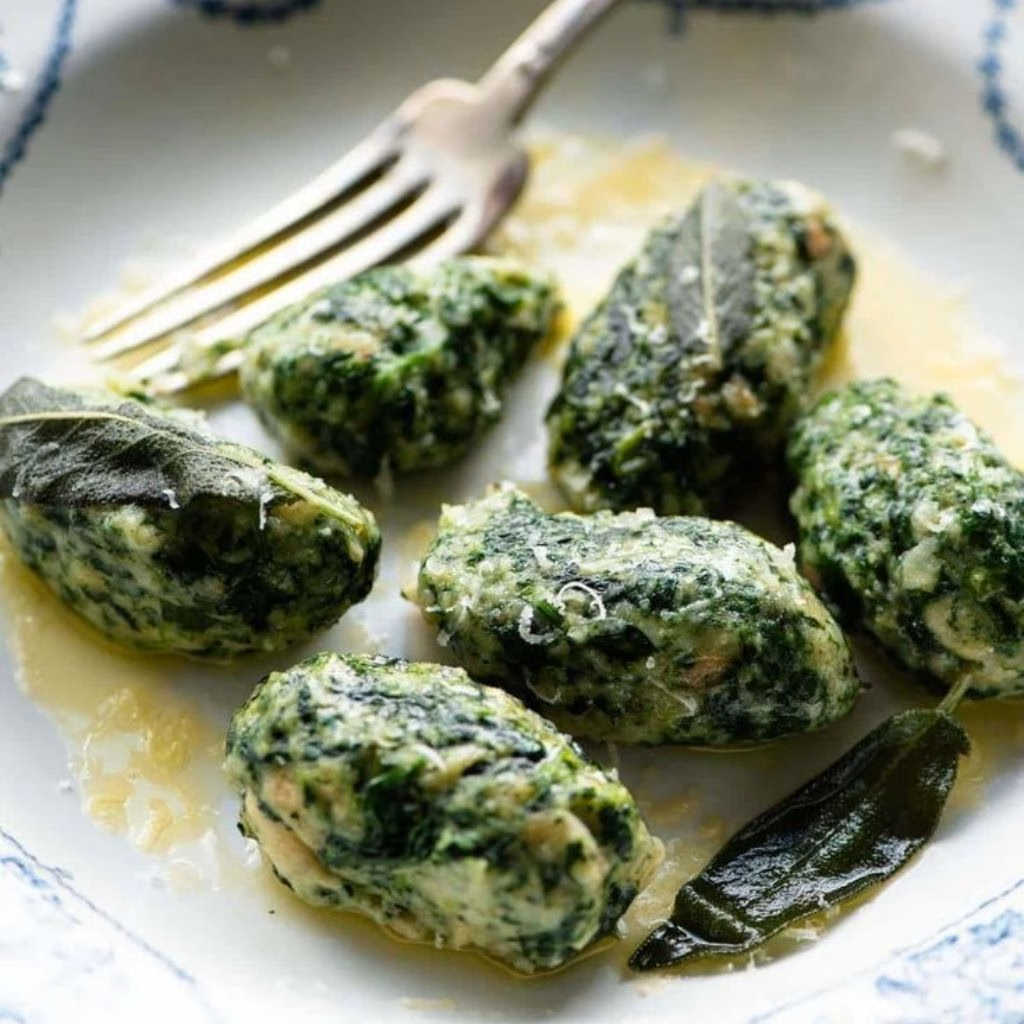
  6. Using your hands or a spoon, shape small oval dumplings from the mixture. They don’t need to be perfect—rustic shapes are part of the charm. Keep them roughly equal in size for even cooking.
  7. Bring a pot of salted water to a gentle boil and drop in the dumplings. Cook until they float to the surface, which usually takes a few minutes. This indicates they are perfectly cooked inside.
  8. Melt butter in a pan and add fresh sage leaves. Let the butter infuse with the sage aroma. This classic sauce complements the dumplings beautifully.
  9. Remove the dumplings with a slotted spoon and transfer them into the butter sauce. Toss gently to coat them evenly. Serve immediately while warm and fragrant.
Notes

  • I always squeeze spinach really well to avoid soggy dumplings
  • I prefer slightly stale bread because it binds better than fresh
  • I keep the water at a gentle simmer, not a rapid boil
  • I taste the mixture before shaping to adjust seasoning
  • I add extra butter and sage because it enhances the flavor so much