
When I first cooked Osso Buco with Gremolata Recipe, I didn’t know what to expect—but the moment I took that first tender, melt-off-the-bone bite, I knew this Italian classic was a keeper.
The rich, slow-braised veal shanks paired with the bright zing of fresh gremolata made me fall in love with this recipe instantly. It felt like bringing a piece of Milan into my kitchen.
Every time I make it, friends and family crowd my table asking for more. If you’re into rich flavors with a fresh finish, this one’s for you!

Ingredients You’ll Need
Here’s everything that goes into this rich, slow-cooked dish and why each ingredient matters.
Osso Buco
- 5 pounds veal shanks (about 4 pieces, 1.5–2 inches thick) – Best cut for braising; becomes tender and juicy.
- Kosher salt – Enhances natural flavors.
- Freshly ground black pepper – Adds gentle heat.
- 1/2 cup all-purpose flour – Helps brown the meat and slightly thickens the sauce.
- 1 tablespoon extra-virgin olive oil – For rich searing.
- 2 medium carrots – Add natural sweetness.
- 1 rib celery – Builds savory depth.
- 1 medium yellow onion – Creates flavor base.
- 2 cloves garlic – Use fresh for best aroma.
- 1 tablespoon unsalted butter – Adds richness.
- 1 cup dry white wine – Deepens flavor and deglazes the pan.
- 3 sprigs parsley (stems only) – Adds aromatic notes.
- 3 sprigs thyme – Earthy herbal flavor.
- 3 long lemon peels – Infuses bright citrus aroma.
- 2 bay leaves – Subtle depth.
- 1 cup beef broth – Keeps meat moist while cooking.
- 14 oz canned Italian crushed tomatoes – Forms the rich braising sauce.
Gremolata
- 1/2 bunch flat-leaf parsley – Fresh and vibrant.
- 2 cloves garlic – Finely chopped for bold flavor.
- Lemon peel from 1 large lemon – Adds brightness.
- Kosher salt – Enhances taste.
Note: This recipe serves about 4 people generously.
Variations
- Use beef shanks instead of veal.
- Replace flour with gluten-free flour or cornstarch.
- Add rosemary or sage for extra aroma.
- Mix orange zest into gremolata for a sweeter citrus twist. If you enjoy trying other flavorful recipes, you may also like cranberry-brie-pull-apart-bread-recipe and for a creamy, seasonal appetizer idea, explore pumpkin-whipped-feta-dip-recipe.
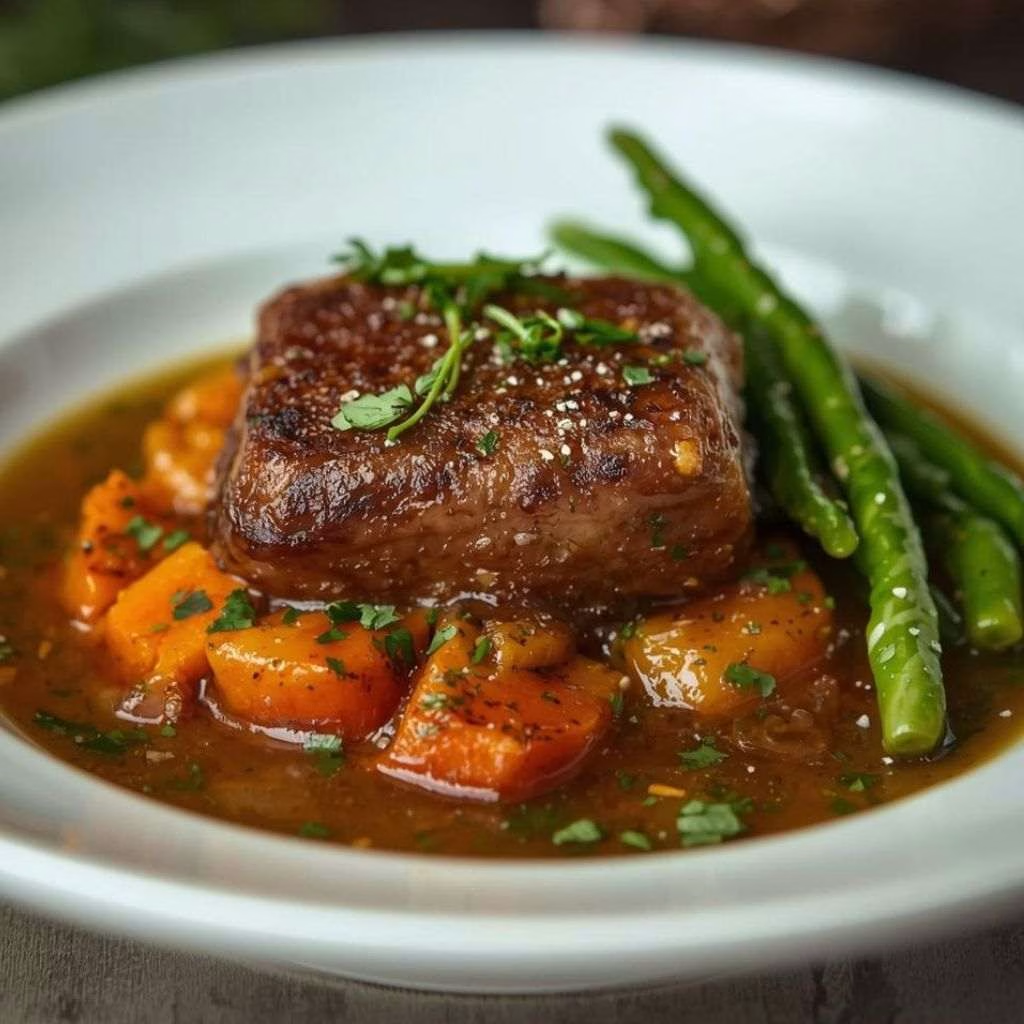
Cooking Time
- Prep Time: 30 minutes
- Cooking Time: 2 hours
- Total Time: 2 hours 30 minutes
Equipment You Need
- Heavy-bottomed Dutch oven – For even slow cooking.
- Kitchen twine – To tie shanks for shape.
- Sharp knife – For chopping vegetables.
- Cutting board – Safe prep surface.
- Tongs – For turning meat easily.
How to Make Osso Buco with Gremolata
Prepare and Brown the Veal
Tie the veal shanks with kitchen twine to keep them intact during cooking. Season well with salt and pepper, then dredge lightly in flour. Sear in hot oil until deeply browned on all sides. This step builds flavor.
Sauté the Vegetables
Remove the meat and set aside. In the same pot, add butter and cook carrots, celery, and onion until softened. Add garlic and cook briefly until fragrant.
Deglaze and Build Sauce
Pour in white wine to deglaze the pot, scraping up browned bits. Add parsley stems, thyme, lemon peel, bay leaves, broth, and crushed tomatoes. Stir well.
Braise in the Oven
Return the veal to the pot, ensuring it is partially submerged. Cover and cook in a preheated oven for about 2 hours. The meat should become tender and nearly falling off the bone.
Prepare the Gremolata
Mix finely chopped parsley, garlic, lemon zest, and a pinch of salt. This fresh topping adds brightness to the rich dish.
Additional Tips for Making This Recipe Better
- I always pat the meat dry before searing for better browning.
- I let the dish rest for 10 minutes before serving so flavors settle.
- If the sauce tastes too heavy, I add a little fresh lemon juice.
- I sometimes finish with a tiny splash of balsamic vinegar for extra depth.
How to Serve Osso Buco with Gremolata
Serve this dish over creamy risotto, soft polenta, or mashed potatoes. Spoon plenty of sauce over the top. Sprinkle gremolata just before serving for freshness. Add a lemon slice and fresh parsley for presentation. Crusty bread on the side is perfect for soaking up the sauce.
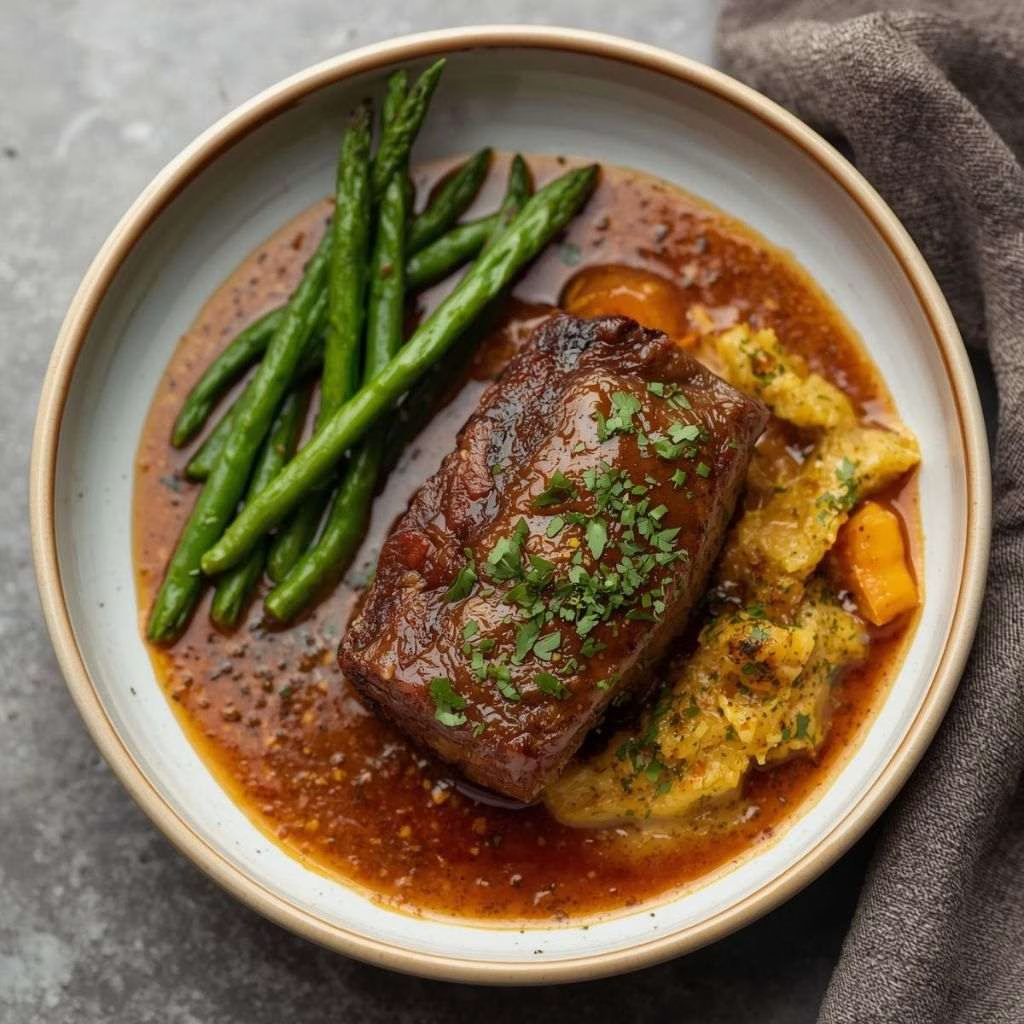
Nutritional Information (Per Serving)
- Calories: Approximately 296
- Protein: About 38g
- Carbohydrates: Around 11g
- Fat: About 9g
Make Ahead and Storage
Storing
Store cooled leftovers in an airtight container in the refrigerator for up to 3–4 days. The flavor improves after resting overnight.
Freezing
Freeze in a sealed container for up to 3 months. Thaw in the refrigerator before reheating.
Reheating
Warm gently on the stovetop over low heat. Avoid high heat to keep the meat tender.
Why You’ll Love This Recipe
Here’s why this dish deserves a place on your table:
- Deep, slow-cooked flavor that feels restaurant-quality.
- Bright gremolata balances the richness beautifully.
- Perfect for special occasions or family dinners.
- Easy to customize with different herbs or proteins.
- Leftovers taste even better the next day.
If you’re looking for a comforting, elegant dish that combines rich braised meat with fresh citrus flavor, this Osso Buco with Gremolata is a true classic worth making again and again. 🍽️

Osso Buco with Gremolata Recipe
Ingredients
Method
- Tie the veal shanks with kitchen twine to keep them intact during cooking. Season well with salt and pepper, then dredge lightly in flour. Sear in hot oil until deeply browned on all sides. This step builds flavor.
- Remove the meat and set aside. In the same pot, add butter and cook carrots, celery, and onion until softened. Add garlic and cook briefly until fragrant.
- Pour in white wine to deglaze the pot, scraping up browned bits. Add parsley stems, thyme, lemon peel, bay leaves, broth, and crushed tomatoes. Stir well.
- Return the veal to the pot, ensuring it is partially submerged. Cover and cook in a preheated oven for about 2 hours. The meat should become tender and nearly falling off the bone.
- Mix finely chopped parsley, garlic, lemon zest, and a pinch of salt. This fresh topping adds brightness to the rich dish.
Notes
- I always pat the meat dry before searing for better browning.
- I let the dish rest for 10 minutes before serving so flavors settle.
- If the sauce tastes too heavy, I add a little fresh lemon juice.
- I sometimes finish with a tiny splash of balsamic vinegar for extra depth.