
I’ve always been fascinated by Japanese street food, and nothing excites me more than making Okonomiyaki recipe at home. After trying this recipe a few times, I realized how fun and customizable this savory cabbage pancake can be.
It’s crispy on the outside, soft on the inside, and packed with flavors that everyone at the table will enjoy. I love how easy it is to tweak with different proteins, veggies, or even cheeses.
Once you try this, you’ll see why Okonomiyaki is often called the “Japanese pizza” — it’s filling, satisfying, and completely addictive. If you enjoy hearty bowl-style meals as well, dishes like steak rice bowls recipe bring a similar balance of comforting flavors and satisfying textures.

Ingredients for Okonomiyaki
Here’s everything you need to make this dish perfectly, along with tips on why each ingredient matters:
- All-purpose flour – Forms the base batter. Using self-rising flour will make the texture too soft, so stick with all-purpose.
- Salt – Enhances flavor. I usually start with a little and adjust to taste.
- Sugar – Balances the savory flavors; you can skip if you want a less sweet pancake.
- Baking powder – Gives the pancake a light, airy texture. Don’t overuse, or it may taste slightly metallic.
- Grated mountain yam (nagaimo/yamaimo) – Adds the signature stickiness and fluffiness. Peel and grate fresh; frozen won’t give the same texture.
- Dashi (Japanese soup stock) – Provides umami and depth of flavor. Instant dashi works fine if you’re short on time.
- Eggs – Bind everything together and give richness. Fresh eggs make a difference in flavor.
- Shredded cabbage – The main vegetable for texture and crunch. Avoid frozen, which can water down the batter.
- Tenkasu (tempura scraps) – Adds little pockets of crunchiness. Optional, but I never skip them.
- Thinly sliced pork belly – Classic protein topping; can be replaced with shrimp, squid, or tofu for variations.
- Okonomiyaki sauce – Sweet-savory sauce essential for authentic taste.
- Kewpie mayonnaise – Creamy topping that balances the tangy and sweet flavors.
- Aonori (dried seaweed flakes) – Gives an extra umami punch and makes it look pretty.
- Bonito flakes – Add a smoky flavor and the signature “dancing” effect.
Note: Serves 4
Variations
Okonomiyaki is incredibly versatile. Here are some ways I love to tweak it:
- Use shrimp, squid, or tofu instead of pork for seafood or vegetarian versions.
- Swap all-purpose flour with gluten-free flour to accommodate dietary needs.
- Try vegan or dairy-free mayonnaise for a plant-based topping.
- Add green onions, kimchi, or grated cheese for extra layers of flavor.
- Mix in corn, carrots, or mushrooms for more texture and nutrients. If you enjoy bold and smoky flavors in your meals, recipes like steak bowls chipotle offer a similar satisfying combination of protein, grains, and vibrant toppings.
Cooking Time
- Prep Time: 15 minutes – Includes shredding cabbage and grating yam.
- Cooking Time: 20 minutes – Each pancake takes about 4–5 minutes per side.
- Total Time: 35 minutes – Perfect for a weekday dinner or weekend treat.
Equipment You Need
- Mixing bowl – To combine all the ingredients smoothly.
- Grater – Essential for grating the yam and shredding cabbage.
- Frying pan or griddle – A nonstick or cast-iron pan works best for even cooking.
- Spatula – To flip the pancake without breaking it.
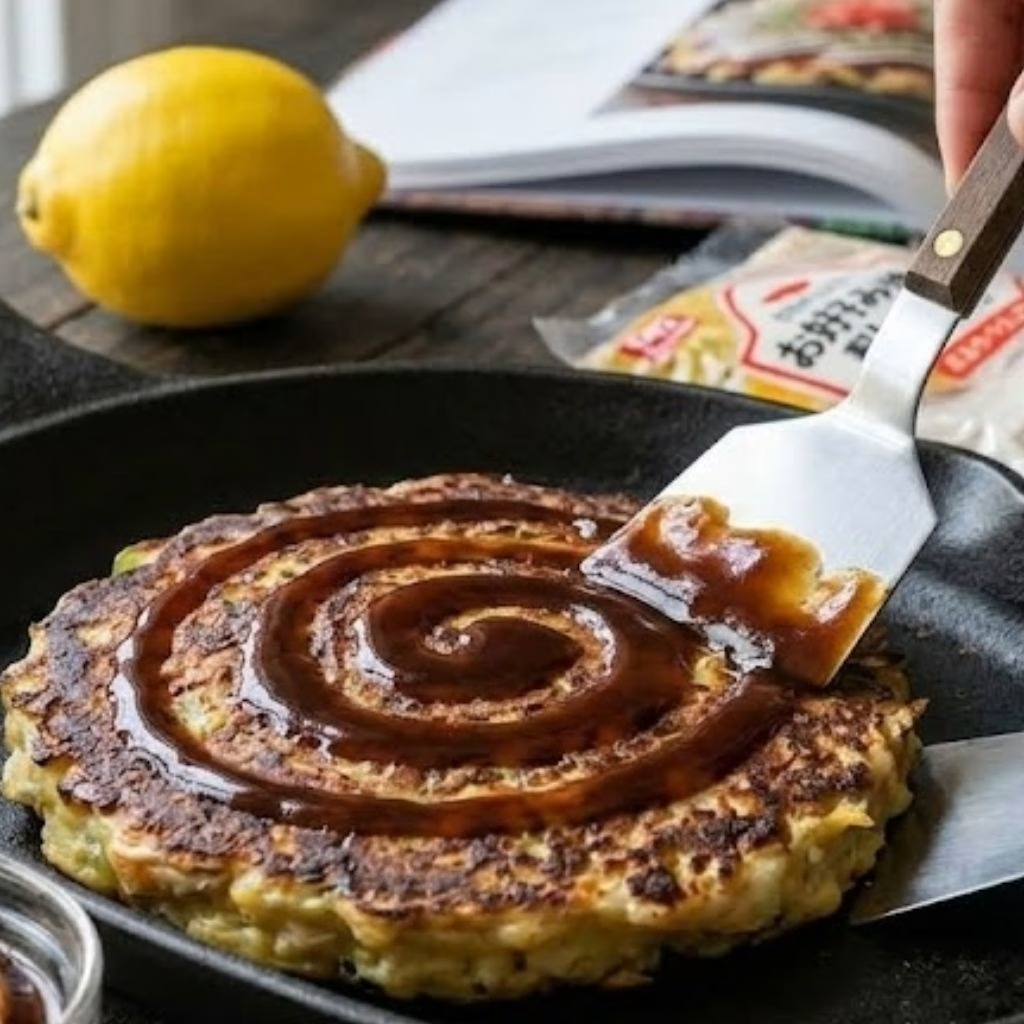
- Brush – For spreading the Okonomiyaki sauce evenly.
How to Make Okonomiyaki?
Preparing the Batter
Mix flour, salt, sugar, and baking powder in a bowl. Then add grated yam, dashi, and eggs. Stir gently until smooth — don’t overmix, or it may become dense.
Adding the Vegetables
Fold in shredded cabbage and tenkasu. Ensure the cabbage is evenly coated in the batter to prevent clumps. This step guarantees each bite has perfect crunch and flavor.
Cooking the Pancake
Heat a lightly oiled pan over medium heat. Pour in the batter and shape it into a thick pancake. Lay pork slices on top and cook for 4–5 minutes per side until golden brown and cooked through.
Finishing Touches
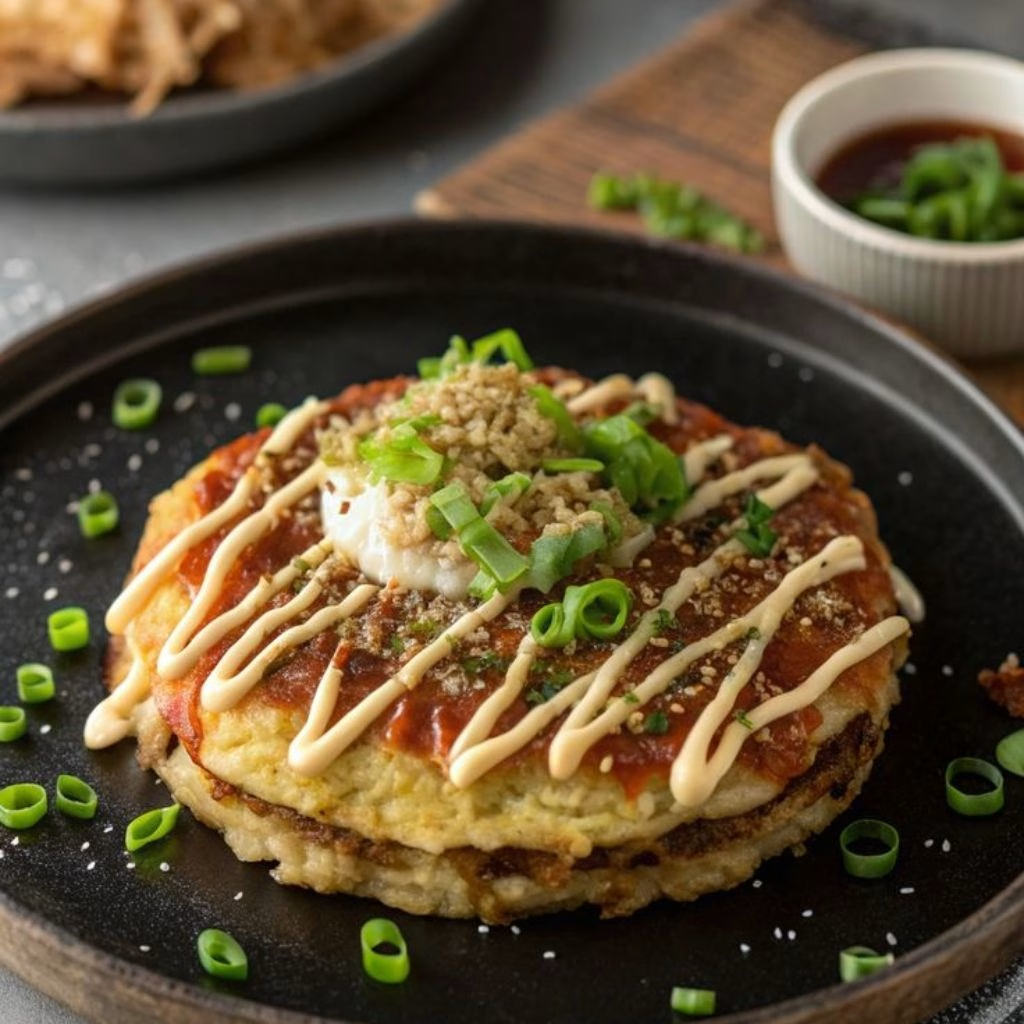
Brush the cooked pancake with Okonomiyaki sauce. Drizzle Kewpie mayonnaise in a zigzag pattern, sprinkle with aonori, and finish with bonito flakes. The flakes will “dance” from the heat, making it a fun and visually appealing dish.
Additional Tips for Making this Recipe Better
From my experience making Okonomiyaki several times:
- I always squeeze out extra water from cabbage to avoid soggy pancakes.
- Using a cast-iron pan gives a beautifully crispy bottom that I love.
- I let the pancake rest a minute before slicing; it holds together better.
- Cook one pancake at a time to ensure perfect shape and even cooking.
- For extra flavor, I add a little grated cheese inside the batter before cooking.
How to Serve Okonomiyaki?
Serve warm on a flat plate, preferably with a spatula for easy slicing. Garnish with extra bonito flakes, green onions, and a drizzle of Kewpie mayonnaise. For a restaurant-style presentation, serve with pickled ginger on the side.
Nutritional Information
Here’s a rough idea of the nutrients per serving:
- Calories: 400–450 kcal – A hearty and satisfying meal.
- Protein: 15–20 g – Thanks to eggs and pork slices.
- Carbohydrates: 50–55 g – Comes from flour, yam, and veggies.
- Fat: 18–22 g – From pork, eggs, and mayonnaise.
Make Ahead and Storage
Storing
Keep cooked Okonomiyaki in an airtight container in the fridge for up to 2 days. It stays flavorful but loses some crispiness.
Freezing
You can freeze uncooked pancakes on a tray first, then wrap individually in foil. Store up to 1 month for easy meal prep.
Reheating
Reheat in a skillet or oven to maintain crispiness. Avoid microwaving, as it makes the pancake soft and less enjoyable.
Why You’ll Love This Recipe?
I’ve found this recipe irresistible for so many reasons:
- Easy and Quick – You can mix, cook, and serve in under 40 minutes.
- Customizable – Swap proteins, veggies, and toppings based on your preference.
- Family-Friendly – Everyone can join in assembling the pancake.
- Budget-Friendly – Uses simple, everyday ingredients that are easy to find.
- Flavorful – The combination of sweet-savory sauce, crispy exterior, and soft inside is unbeatable.

Okonomiyaki Recipe
Ingredients
Method
- Mix flour, salt, sugar, and baking powder in a bowl. Then add grated yam, dashi, and eggs. Stir gently until smooth — don’t overmix, or it may become dense.
- Fold in shredded cabbage and tenkasu. Ensure the cabbage is evenly coated in the batter to prevent clumps. This step guarantees each bite has perfect crunch and flavor.
- Heat a lightly oiled pan over medium heat. Pour in the batter and shape it into a thick pancake. Lay pork slices on top and cook for 4–5 minutes per side until golden brown and cooked through.
- Brush the cooked pancake with Okonomiyaki sauce. Drizzle Kewpie mayonnaise in a zigzag pattern, sprinkle with aonori, and finish with bonito flakes. The flakes will “dance” from the heat, making it a fun and visually appealing dish.
Notes
- I always squeeze out extra water from cabbage to avoid soggy pancakes.
- Using a cast-iron pan gives a beautifully crispy bottom that I love.
- I let the pancake rest a minute before slicing; it holds together better.
- Cook one pancake at a time to ensure perfect shape and even cooking.
- For extra flavor, I add a little grated cheese inside the batter before cooking.