
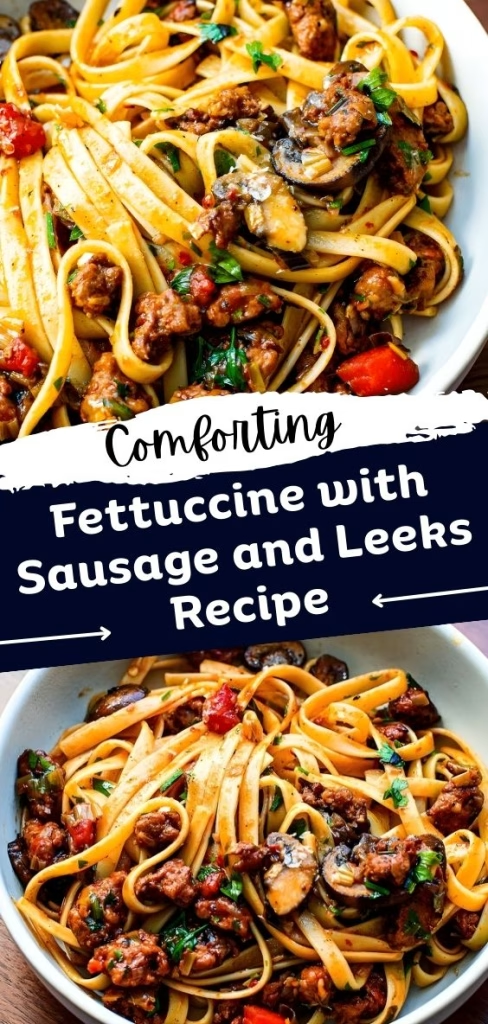
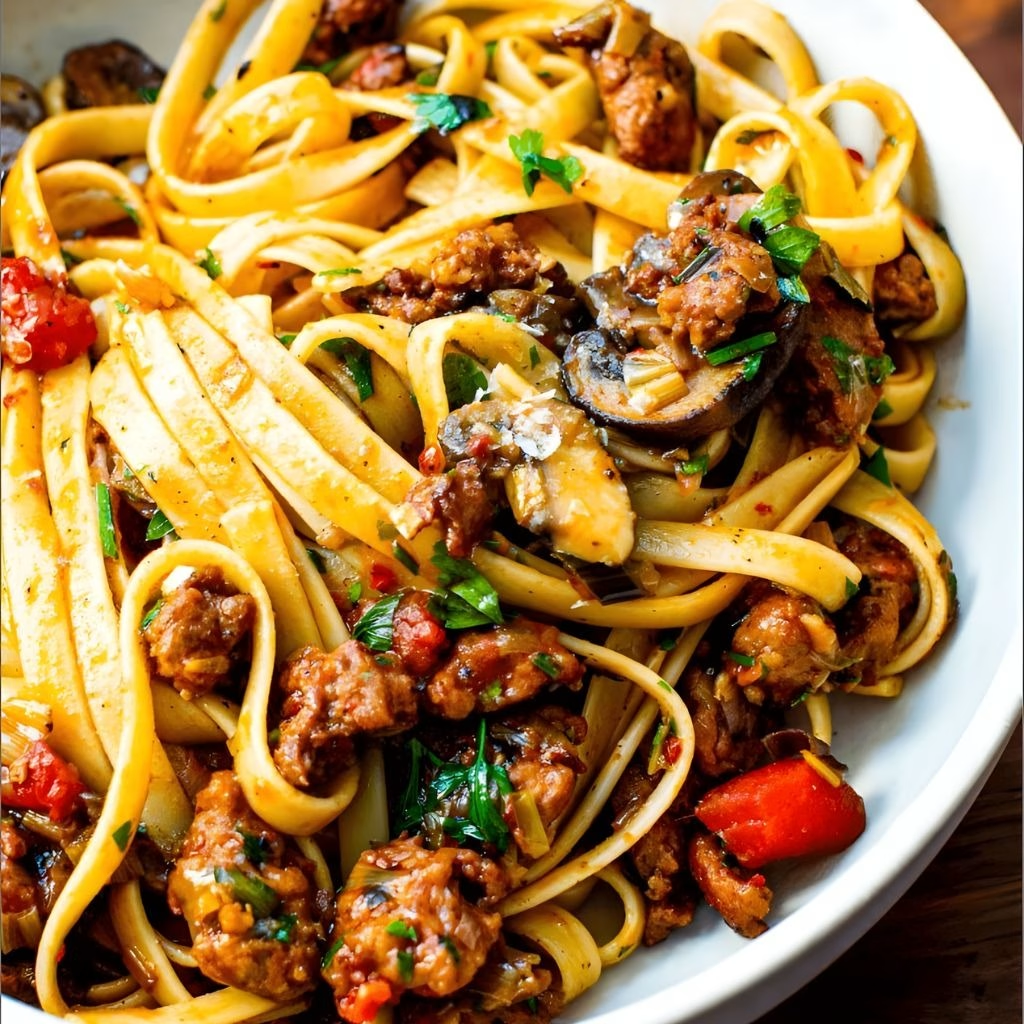
I have to tell you, making this Fettuccine with Sausage and Leeks Recipe was an absolute joy! The aroma of sizzling sausage, sweet leeks, and earthy mushrooms filled my kitchen, and I couldn’t wait to taste it. I love how this dish feels both fancy and comforting at the same time.
Honestly, it’s easier than you’d expect, and the flavors come together in such a satisfying way. Every bite has the perfect mix of spice, creaminess, and freshness, making it a new favorite in my dinner rotation. For a slightly different flavor twist, you can also try a steak marinade for tacos recipe which pairs wonderfully with pasta dishes.
Ingredients
Here’s what you’ll need to make this delightful fettuccine:
- 16 ounces fettuccine – I always prefer fresh or high-quality dried pasta for the best texture.
- 2 teaspoons neutral frying oil – helps cook the sausage evenly without overpowering flavors.
- 1 pound hot Italian sausage (loose) – spicy sausage gives the dish a nice kick; feel free to adjust to your taste.
- 1 shallot, peeled and sliced – adds a subtle sweetness; don’t skip it!
- 1 leek, trimmed, washed, and sliced into half-moons – gives a delicate onion flavor that’s lighter than regular onions.
- 10 ounces cremini mushrooms, trimmed and thinly sliced – fresh mushrooms are key; avoid frozen.
- 4 cloves garlic, peeled and minced – for aromatic depth; crush or mince fresh garlic for best flavor.
- 2 tablespoons butter – adds richness and helps balance the spice.
- ½ cup white wine (or chicken stock) – wine adds acidity and complexity, but stock works in a pinch.
- ½ cup chicken stock – use low-sodium if possible to control saltiness.
- 15-ounce can fire-roasted tomatoes – gives a smoky, slightly sweet flavor.
- ½ teaspoon crushed red pepper – more or less depending on your spice preference.
- Salt and pepper to taste – enhances all other flavors.
- ¼ cup fresh parsley, minced – adds a fresh, vibrant finish. For added taste, consider experimenting with a steak marinade with Worcestershire recipe to complement your sausage.
Note: Several servings
Variations
I love experimenting with this recipe, and there are plenty of ways to adapt it:
- Dairy-free: Replace butter with olive oil or vegan butter.
- Meat-free: Swap sausage with plant-based sausage or sautéed chickpeas for protein.
- Lower spice: Use mild Italian sausage and skip the crushed red pepper.
- Extra flavor: Add a splash of cream or grated Parmesan for a richer sauce.
- Veggie-packed: Toss in spinach or zucchini for additional texture and nutrients.
Cooking Time
Here’s the breakdown of how long it takes to make this dish:
- Prep Time: 15 minutes
- Cooking Time: 40 minutes
- Total Time: 55 minutes
Equipment You Need
Making this recipe is straightforward, and here’s what I used:
- Large pot – for boiling the fettuccine.
- Wide skillet – perfect for cooking sausage and tossing pasta in the sauce.
- Wooden spoon – great for breaking up sausage while cooking.
- Chef’s knife – for slicing leeks, shallots, and mushrooms evenly.
- Measuring cups and spoons – to keep the ingredient ratios perfect.
How to Make Fettuccine with Sausage and Leeks Recipe?
Start the Pasta
First, I bring a large pot of salted water to a boil. Cooking the fettuccine until al dente ensures it’s perfectly tender but still holds its shape. I always save ¾ cup of the pasta cooking water to help the sauce cling to the noodles later.
Start the Sauce
I heat the oil in a skillet and cook the sausage until nicely browned, breaking it up with a wooden spoon. Adding the shallot and leeks after gives the sauce sweetness and depth without overpowering the sausage’s spice.
Cook the Mushrooms
Next, I add the mushrooms and cook them slowly. It’s important to let the liquid from the mushrooms evaporate so the flavors concentrate and the mushrooms start to caramelize.
Add Garlic and Liquid
I briefly cook the garlic until fragrant, then melt the butter and add white wine. Once it boils, I stir in chicken stock and fire-roasted tomatoes. The sauce simmers for about 30 minutes, thickening beautifully and marrying all the flavors.
Combine Pasta and Sauce
Finally, I toss the cooked fettuccine directly into the sauce with the reserved pasta water and minced parsley. The pasta absorbs the flavors perfectly, giving a glossy, well-coated finish.
Additional Tips for Making this Recipe Better
From my experience making this recipe several times, I’ve learned a few tricks:
- I always use fresh parsley and garlic; it elevates the flavors instantly.
- Don’t rush the mushrooms; slow cooking gives them a deep, earthy flavor.
- I like to taste and adjust seasoning throughout cooking – it makes a huge difference.
- Using a wide skillet makes tossing pasta in the sauce easier and ensures even coating.
- Letting the sauce simmer gently allows flavors to develop and intensify.
How to Serve Fettuccine with Sausage and Leeks Recipe?
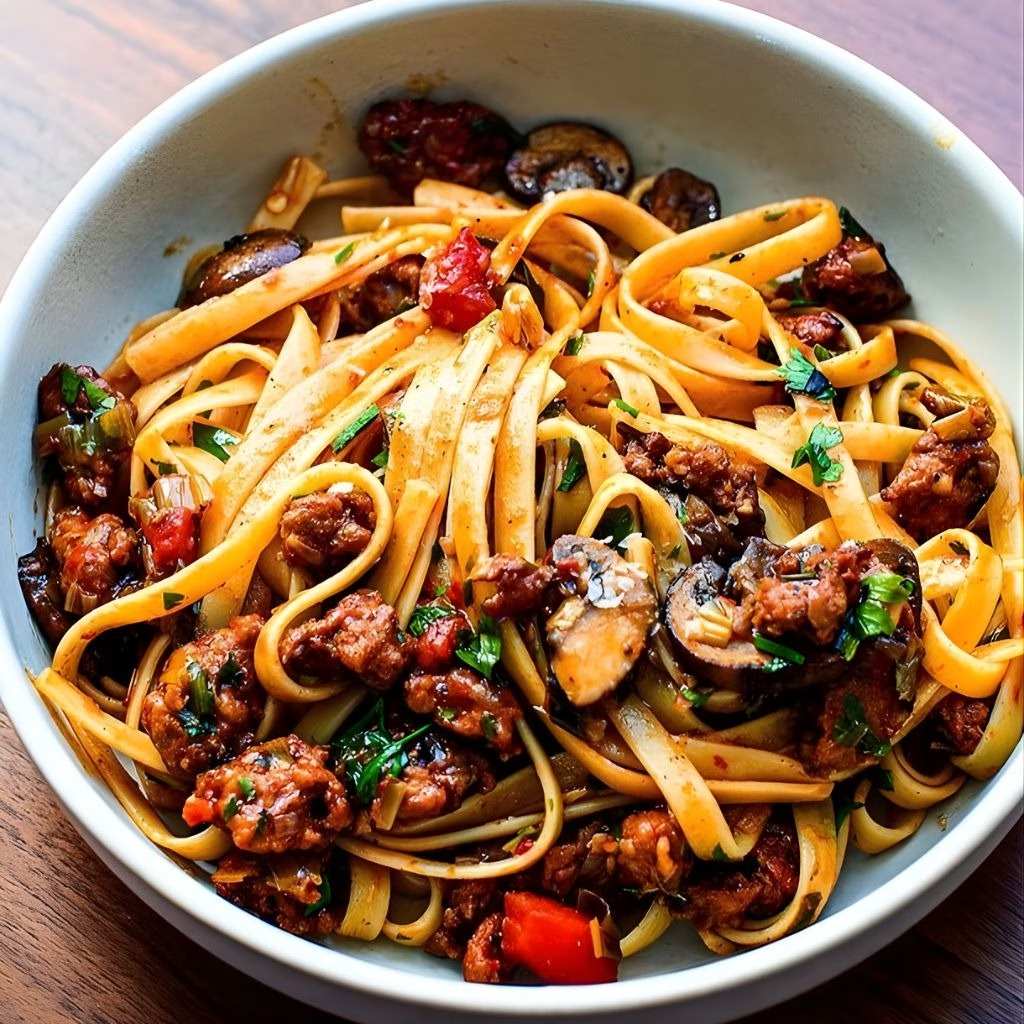
Serving this pasta is half the fun. I like to divide it into shallow bowls for a rustic presentation. Sprinkle a little extra fresh parsley or grated Parmesan on top. Adding a drizzle of good olive oil and a few crushed red pepper flakes gives it a restaurant-quality look. Pairing with a crisp green salad and a glass of white wine completes the meal beautifully.
Nutritional Information
Here’s a rough idea of what you’re getting per serving:
- Calories: 782 kcal – generous and satisfying for a dinner portion.
- Protein: 29 g – thanks to the sausage and pasta.
- Carbohydrates: 78 g – mostly from fettuccine for energy.
- Fat: 37 g – from sausage, butter, and olive oil, creating a rich, flavorful dish.
Make Ahead and Storage
Storing
Leftovers can be stored in an airtight container in the fridge for up to 3 days. The flavors actually deepen overnight, making it even tastier the next day.
Freezing
I’ve frozen this pasta successfully. Let it cool completely, then freeze in portions. Thaw in the fridge before reheating gently on the stove.
Reheating
Reheat on low heat, adding a splash of water or stock to loosen the sauce. Stir occasionally to avoid sticking and maintain the creamy texture.
Why You’ll Love This Recipe
There are so many reasons this fettuccine has become a favorite in my kitchen:
- Quick and Easy: Minimal prep and straightforward steps make weeknight cooking stress-free.
- Flavor-Packed: The sausage, leeks, mushrooms, and fire-roasted tomatoes create a complex, comforting flavor profile.
- Versatile: Swap ingredients to make it vegetarian, dairy-free, or milder in spice.
- Family-Friendly: This pasta appeals to both adults and kids, perfect for dinner.
- Impressive Presentation: Simple plating ideas turn it into a dish that looks like it came from a restaurant.

Fettuccine with Sausage and Leeks Recipe
Ingredients
Method
- First, I bring a large pot of salted water to a boil. Cooking the fettuccine until al dente ensures it’s perfectly tender but still holds its shape. I always save ¾ cup of the pasta cooking water to help the sauce cling to the noodles later.
- I heat the oil in a skillet and cook the sausage until nicely browned, breaking it up with a wooden spoon. Adding the shallot and leeks after gives the sauce sweetness and depth without overpowering the sausage’s spice.
- Next, I add the mushrooms and cook them slowly. It’s important to let the liquid from the mushrooms evaporate so the flavors concentrate and the mushrooms start to caramelize.
- I briefly cook the garlic until fragrant, then melt the butter and add white wine. Once it boils, I stir in chicken stock and fire-roasted tomatoes. The sauce simmers for about 30 minutes, thickening beautifully and marrying all the flavors.
- Finally, I toss the cooked fettuccine directly into the sauce with the reserved pasta water and minced parsley. The pasta absorbs the flavors perfectly, giving a glossy, well-coated finish.
Notes
- I always use fresh parsley and garlic; it elevates the flavors instantly.
- Don’t rush the mushrooms; slow cooking gives them a deep, earthy flavor.
- I like to taste and adjust seasoning throughout cooking – it makes a huge difference.
- Using a wide skillet makes tossing pasta in the sauce easier and ensures even coating.
- Letting the sauce simmer gently allows flavors to develop and intensify.