
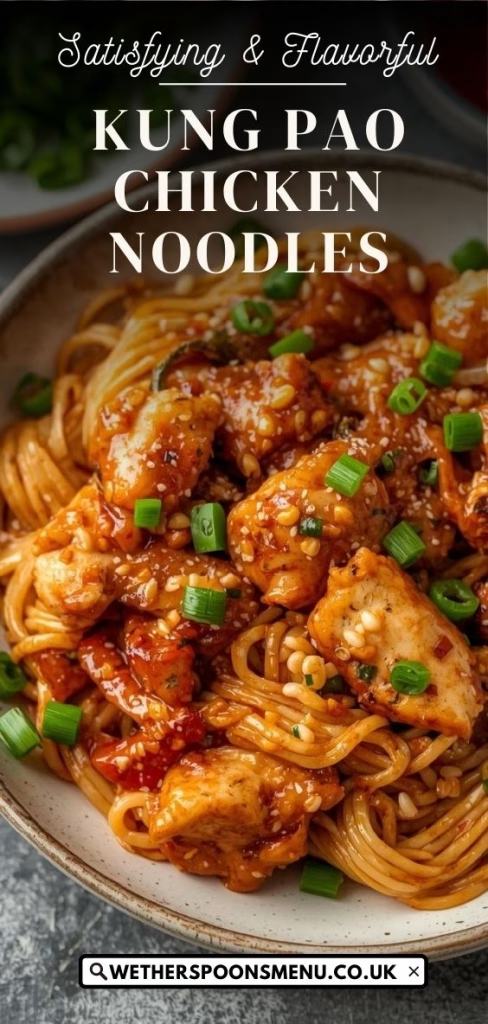
I have to admit, making Kung Pao Chicken Noodles Recipe quickly became one of my favorite weeknight meals. The combination of tender chicken, chewy noodles, and a perfectly balanced sauce always hits the spot. I love how this dish is both satisfying and versatile—it’s saucy, flavorful, and comes together in under 30 minutes.
Whenever I need a quick dinner that feels special, I turn to this recipe. And honestly, it’s even better as leftovers the next day! If you enjoy dessert after a spicy meal, I sometimes pair it with a soft, swirled coffee cake roll recipe for a sweet finish.
Ingredients
Here’s everything you need to create this delicious dish. I’ve included tips to help you get the best flavor and texture.
- 1 pound chicken breast, cut into 1-inch pieces – I prefer chicken tenders for easy prep.
- 8 oz brown rice udon noodles – you can substitute with ramen, pad Thai noodles, or spaghetti.
- 2 tablespoons soy sauce or tamari – tamari works great for a gluten-free option.
- 1 tablespoon honey – balances the spice perfectly; maple syrup works for vegan.
- 1 teaspoon chili paste – adjust for heat preference.
- 2 tablespoons peanut butter – creamy adds richness; natural peanut butter works too.
- 1 tablespoon brown sugar – helps caramelize the sauce slightly.
- 1 teaspoon sesame oil – adds nutty aroma and depth.
- 1 tablespoon rice vinegar – balances sweetness and spice.
- 3 cloves garlic, minced – fresh garlic is best for flavor punch.
- 3 green onions, sliced – garnish and flavor, add extra if desired.
- 2 tablespoons vegetable or sesame oil – for cooking chicken and aromatics.
- ¼ cup roasted peanuts, crushed – adds crunch and texture.
Note: Several servings – this recipe serves 4 generously. You can also enjoy a creamy matcha cheesecake with Oreo crust alongside for a refreshing dessert option.
Variations
This recipe is incredibly flexible. Here are a few ways I like to switch it up:
- Swap chicken for tofu or shrimp for a protein variation.
- Use coconut sugar instead of brown sugar for a subtle tropical sweetness.
- Add extra veggies like bell peppers, snap peas, or broccoli for more nutrients and crunch.
- For a vegan version, replace honey with maple syrup and chicken with tofu.
Cooking Time
Here’s how long it takes from start to finish:
- Prep Time: 10 minutes
- Cooking Time: 20 minutes
- Total Time: 30 minutes
Equipment You Need
These are the tools that make cooking smooth:
- Skillet or wok – for stir-frying chicken and combining noodles.
- Saucepan – for boiling noodles quickly.
- Knife and cutting board – to prep chicken, garlic, and green onions.
- Mixing bowl – for marinating chicken or whisking sauce ingredients.
- Measuring spoons – to get accurate flavor balance in the sauce.
How to Make Kung Pao Chicken Noodles Recipe?
Prepare the Chicken
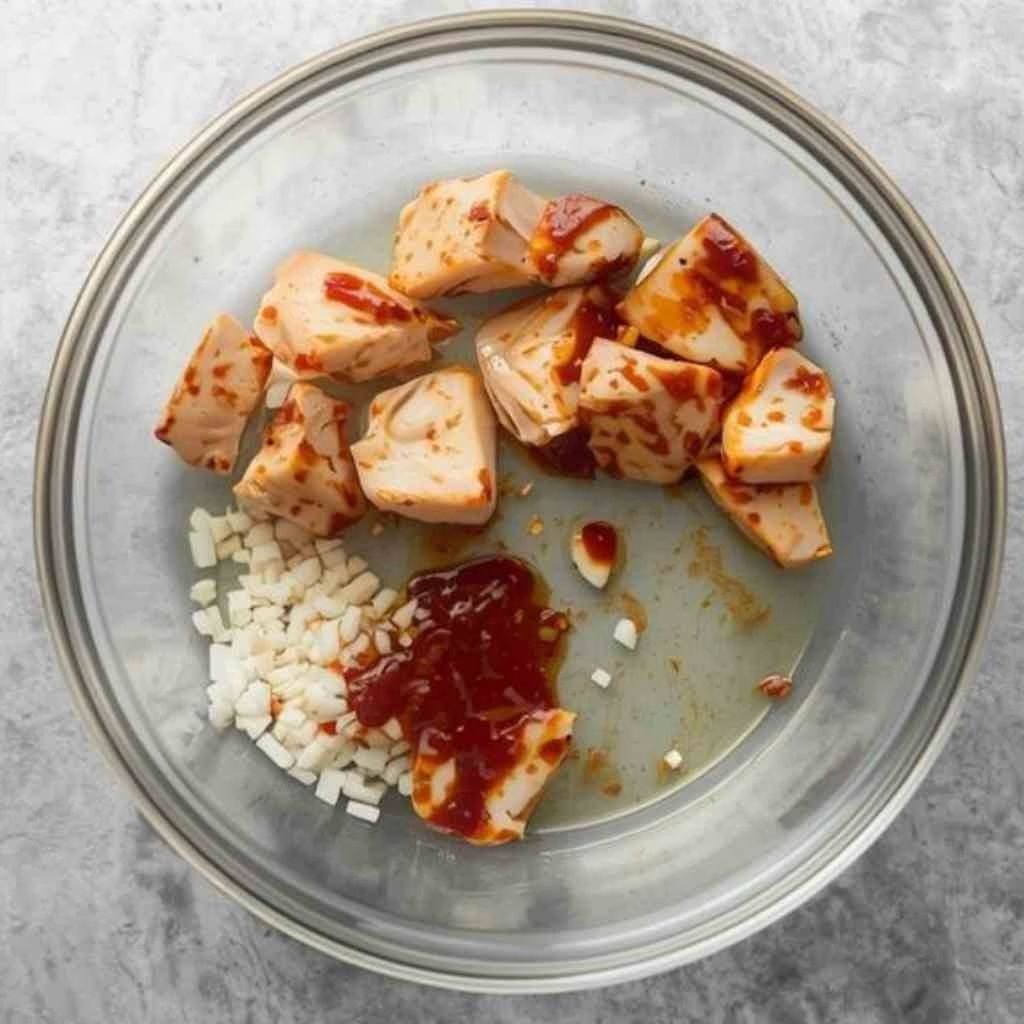
Cut the chicken into bite-sized pieces and place in a bowl. Add soy sauce, honey, and chili paste. Mix well and let it marinate while you prepare the other ingredients. This step ensures the chicken is flavorful inside and out.
Cook the Noodles
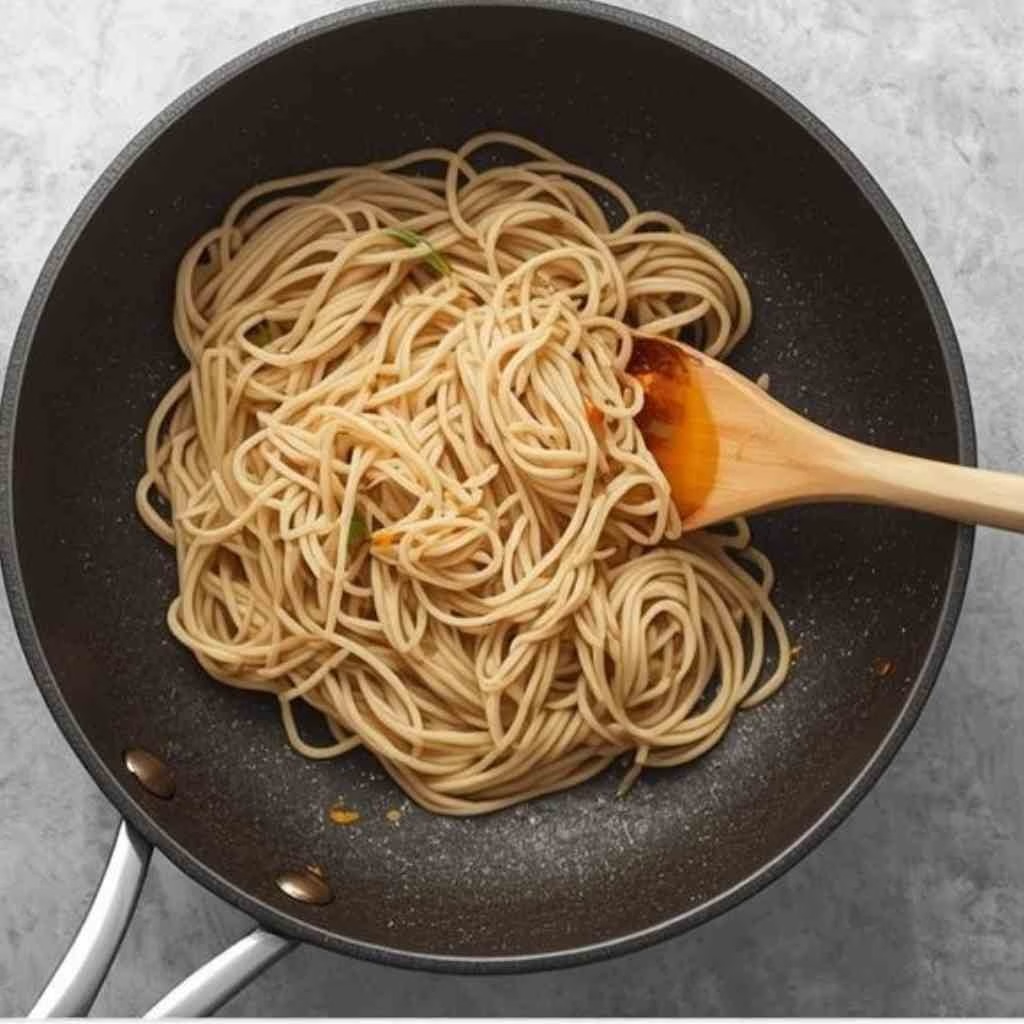
Bring a pot of salted water to a boil and cook the noodles according to package instructions. Once cooked, drain and set aside. I like tossing them with a small drizzle of oil to prevent sticking.
Make the Sauce
Whisk together peanut butter, brown sugar, soy sauce, sesame oil, rice vinegar, and chili paste. This mixture creates the signature sweet, salty, and slightly spicy Kung Pao flavor. Set aside until ready to combine with the noodles.
Sauté Aromatics
Heat oil in a skillet over medium heat. Add sliced green onions and garlic, cooking until fragrant. This step releases the aromatic flavors that make the dish irresistible.
Cook the Chicken
Add marinated chicken to the skillet and cook each side for 2–3 minutes until golden and fully cooked. Make sure the internal temperature reaches 165°F for safe consumption.
Combine Everything
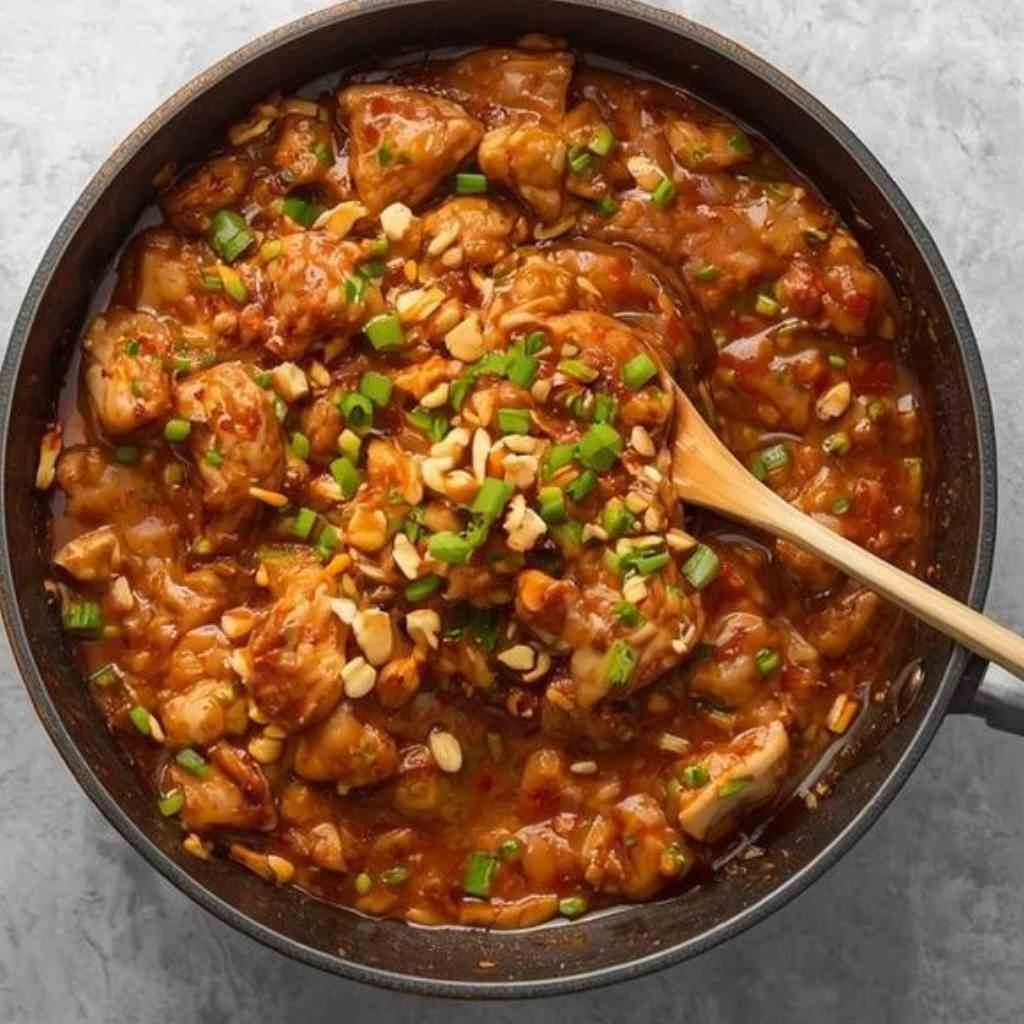
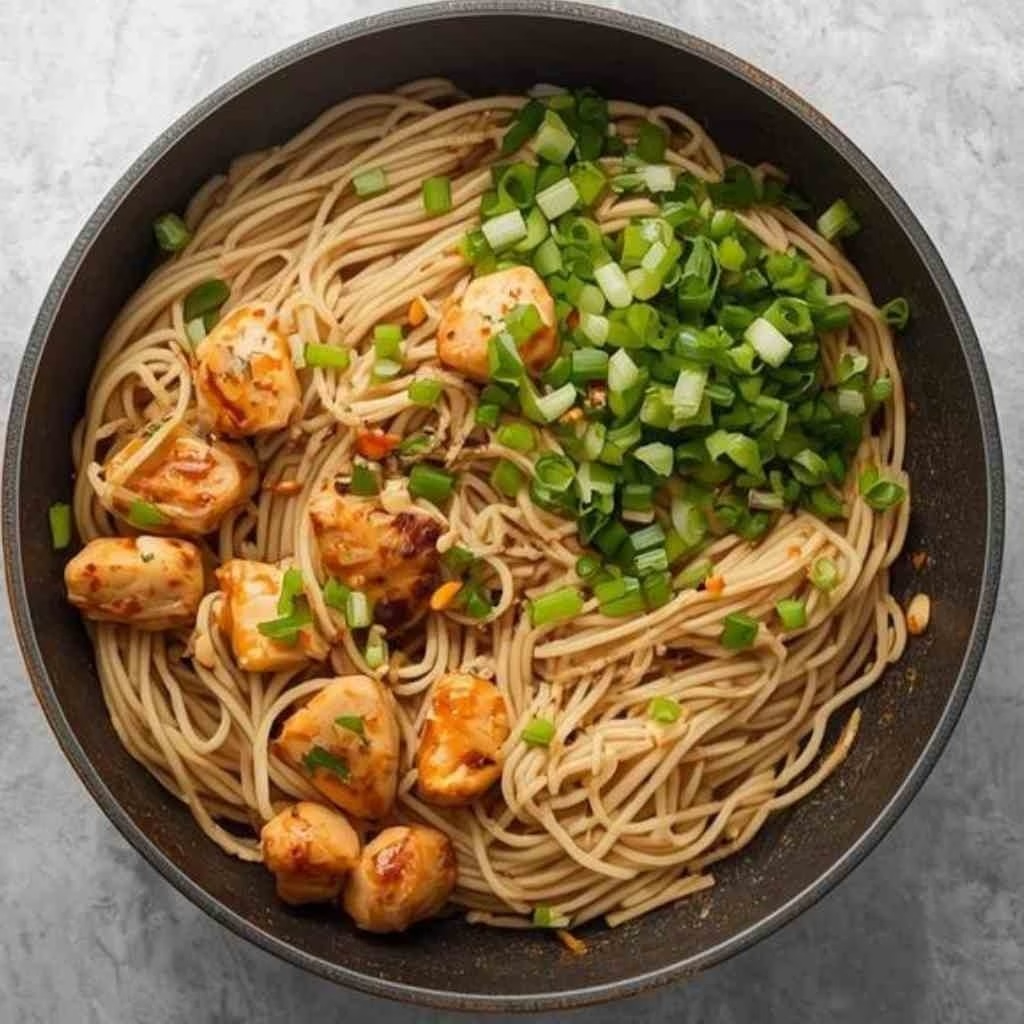
Add the cooked noodles and sauce to the skillet. Toss until everything is coated evenly. Finally, sprinkle crushed peanuts on top and garnish with extra green onions for a fresh finish.
Additional Tips for Making This Recipe Better
From my experience, these small adjustments make a huge difference:
- I like to sauté vegetables first in sesame oil for extra flavor before adding the chicken.
- Use fresh garlic and green onions; it really brightens the dish.
- Let the chicken marinate at least 10 minutes, but longer if you have time—it makes a big flavor difference.
- Don’t overcrowd the skillet; cook chicken in batches if necessary to ensure even browning.
How to Serve Kung Pao Chicken Noodles Recipe?
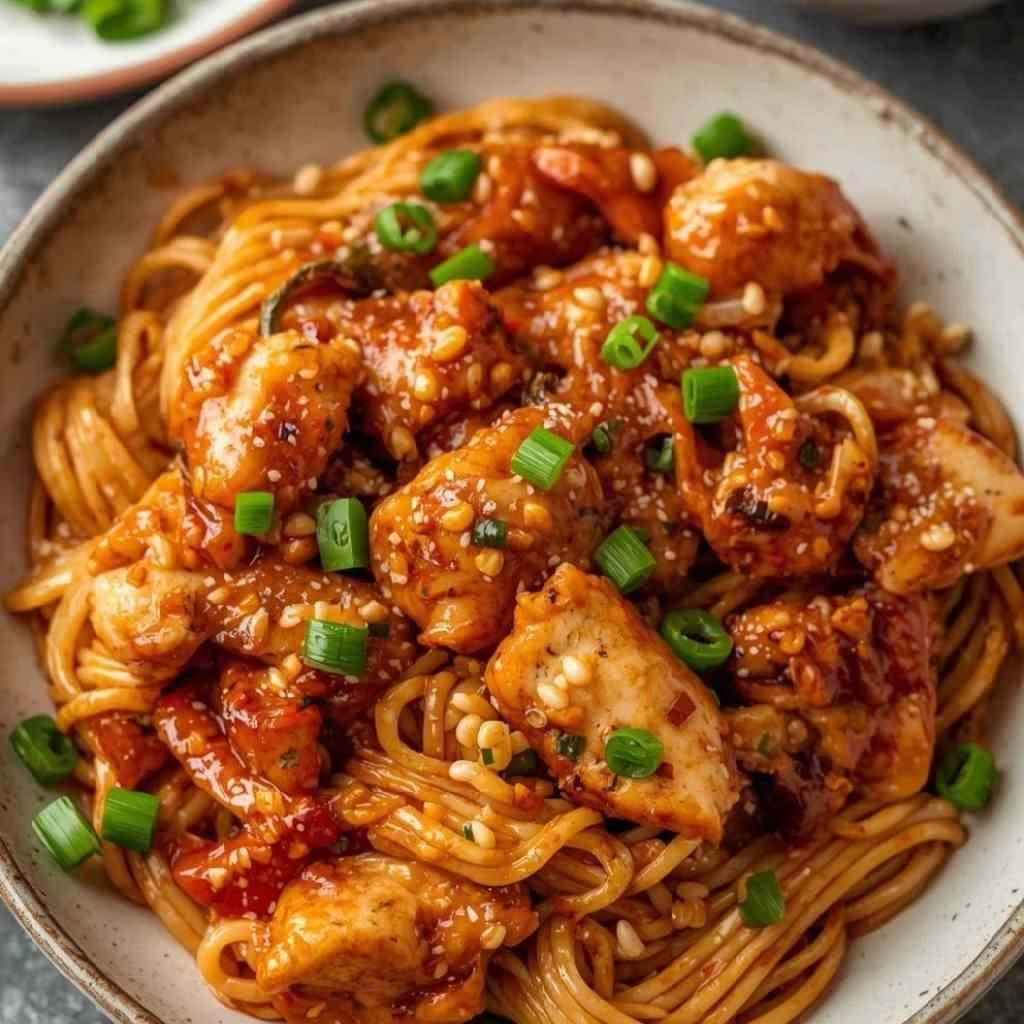
I love plating this dish in a shallow bowl to show off the colorful ingredients. Sprinkle crushed peanuts and sliced green onions on top for texture. Serve with a side of steamed vegetables or a light Asian-inspired salad for a complete meal. For extra presentation points, drizzle a tiny bit of sesame oil over the top just before serving.
Nutritional Information
Here’s a quick glance at what you’re getting per serving:
- Calories: Approximately 480 per serving – perfect for a filling dinner.
- Protein: 30g – thanks to the chicken and peanut butter.
- Carbohydrates: 45g – mostly from noodles, providing energy.
- Fat: 18g – mostly healthy fats from peanuts and sesame oil.
Make Ahead and Storage
Refrigerating
Once cooked, these noodles stay fresh in an airtight container for up to 3 days. I like to store sauce separately if possible to keep noodles from getting soggy.
Freezing
You can freeze the cooked chicken and sauce, but I recommend freezing noodles separately. Freeze in airtight containers for up to a month.
Reheating
Reheat on the stovetop with a touch of oil for the best texture. I avoid microwaving because it can make chicken rubbery, but it works in a pinch.
Why You’ll Love This Recipe?
This recipe has so many reasons to make it your go-to meal:
- Easy to make: Comes together in 30 minutes, perfect for weeknights.
- Flavorful and versatile: Sweet, salty, spicy, and nutty all in one bite.
- Gluten-free and adaptable: Works with tamari and rice noodles or can be made vegan.
- Meal prep friendly: Keeps well for 2–3 days, perfect for lunches.
- Customizable: Add veggies, swap proteins, adjust sweetness or spice to taste.
This Kung Pao Chicken Noodles recipe is one I’ve made countless times, and it never fails to impress. It’s flavorful, quick, and comforting, with plenty of room for personal tweaks. Whether you’re cooking for your family, meal prepping, or just craving something saucy and satisfying, this recipe has got you covered.

Kung Pao Chicken Noodles Recipe
Ingredients
Method
- Cut the chicken into bite-sized pieces and place in a bowl. Add soy sauce, honey, and chili paste. Mix well and let it marinate while you prepare the other ingredients. This step ensures the chicken is flavorful inside and out.
- Bring a pot of salted water to a boil and cook the noodles according to package instructions. Once cooked, drain and set aside. I like tossing them with a small drizzle of oil to prevent sticking.
- Whisk together peanut butter, brown sugar, soy sauce, sesame oil, rice vinegar, and chili paste. This mixture creates the signature sweet, salty, and slightly spicy Kung Pao flavor. Set aside until ready to combine with the noodles.
- Heat oil in a skillet over medium heat. Add sliced green onions and garlic, cooking until fragrant. This step releases the aromatic flavors that make the dish irresistible.
- Add marinated chicken to the skillet and cook each side for 2–3 minutes until golden and fully cooked. Make sure the internal temperature reaches 165°F for safe consumption.
- Add the cooked noodles and sauce to the skillet. Toss until everything is coated evenly. Finally, sprinkle crushed peanuts on top and garnish with extra green onions for a fresh finish.
Notes
- I like to sauté vegetables first in sesame oil for extra flavor before adding the chicken.
- Use fresh garlic and green onions; it really brightens the dish.
- Let the chicken marinate at least 10 minutes, but longer if you have time—it makes a big flavor difference.
- Don’t overcrowd the skillet; cook chicken in batches if necessary to ensure even browning.